

Wheel machine digger excavator
I have found results from100000+products and50000+suppliers aboutWheel machine digger excavator
Commonly Used:
US$
—
Customization Available
Sample Available
Manufacturer First
Product Attributes:
Type: Wheel Excavator
Type: Crawler Excavator
Usage: Special Excavator
Bucket: Grab Shovel
Transmission: Hydraulic Transmission
Drive Type: Electric Drive
Bucket Capacity: 0.1~0.5m³
Size: Medium-Sized
Certification: CE
Condition: New
Arm Length: 1.5 meters
Engine Power: 100 hp
Track Shoe Width: 300 mm
Year of Manufacture: Latest Year
Usage: Marine Excavator
Usage: Mining Excavator
Usage: GM Excavator
Bucket: Shovel
Bucket: Backhoe
Bucket: Dragline
Transmission: Mechanical Transmission
Internal Combustion Drive
Bucket Capacity: 1.0~1.5m³
Bucket Capacity: 0.5~1.0m³
Size: Small-Scale
Size: Large-Scale
Certification: ISO9001: 2000
Condition: Used
Track Shoe Width: 600 mm

Satisfies 1 requirement
Second Hand Hyundai Wheel Excavator 60W Original Hyundai Digger 60W-5 Hyundai Used Earth-Moving Machine
US$14,000.00-15,000.00
1 Piece(MOQ)

Satisfies 1 requirement
Original Korea Used Wheel Excavator Hyundai 210-9 21ton Heavy Duty Digger Construction Machine Hyundai210 Excavator New Model
US$35,000.00-44,000.00
1 Piece(MOQ)

Satisfies 1 requirement
Brand New 5 Ton Mini Hydraulic Wheel Track Digger Excavator Xe55da Earth-Moving Machinery 5.5ton Small Crawler Backhoe Excavator for Sale
US$17,999.00-28,999.00
1 Piece(MOQ)

Satisfies 1 requirement
China New Construction Mini Small Wheel Backhoe Excavation Machine 20 Ton Hydraulic Track Digger Excavator Xe200da Heavy Equipment Crawler Excavator for Sale
US$45,999.00-69,900.00
1 Piece(MOQ)

Satisfies 1 requirement
Electric Compactor Mini Small Crawler Wheeled Used Bucket Digger Earth Moving Ton Machinery Construction Farm Asphalt Road Hydraulic Wheel Excavator
US$2,280.00-13,800.00
1 Piece(MOQ)

Satisfies 1 requirement
Agricultural Excavator Earth Moving Machinery Digger 0.8 Ton Machine Mini Wheel Excavator for Sale
US$2,380.00-2,680.00
1 Piece(MOQ)

Satisfies 1 requirement
Construction Tools 1.15cubic Metre Bucket Wheel Excavator 20 Ton Trench Diggers Machinery
US$87,000.00-123,000.00
1 Set(MOQ)

Satisfies 1 requirement
Construction Road Crushing Wheel Wood Grabber Excavator Digger Mini Excavator Wheel Excavators 6ton Small Digger Earth Moving Machine Backhoe Wheeled Excavator
US$4,000.00-6,400.00
1 Piece(MOQ)

Satisfies 1 requirement
4 Ton Wheel Excavator Farm Orchard Use Hydraulic Wheeled Digger Landscaping Digging Machine
US$16,500.00-16,980.00
1 Piece(MOQ)

Satisfies 1 requirement
Xe180wd Xe155wga Excavator Digger Machine 17.6 Ton 104kw Hydraulic Wheel Excavator with Breaker Hammer Pipeline and Spare Parts
US$76,500.00-78,500.00
1 Piece(MOQ)

Satisfies 1 requirement
21 Tons Grape Destemmer Manufacturing-Processing-Machinery Big Heavy Bucket Largest Grave Digger Door to Door Wheel Excavator with CE
US$35,000.00-40,000.00
1 Piece(MOQ)

Satisfies 1 requirement
New Korea Original Hx60 Mini Crawler Excavator 6 Ton Hyundai Hx55 Hx220 Hx340 Small Digger Hyundai60 Nuevo Excavadora Construction Machinery Wheel Excavators
US$20,000.00-27,000.00
1 Unit(MOQ)

Satisfies 1 requirement
Digger Machine 21 Ton Wheel Excavator Hw210 with 1m3 Bucket in Stock
US$119,000.00-125,000.00
1 Piece(MOQ)

Satisfies 1 requirement
Earth-Moving Machinery 8t Wheel Excavator Xe80wg Digger Excavator with Optional Attachments
US$24,000.00-25,500.00
1 Piece(MOQ)

Satisfies 1 requirement
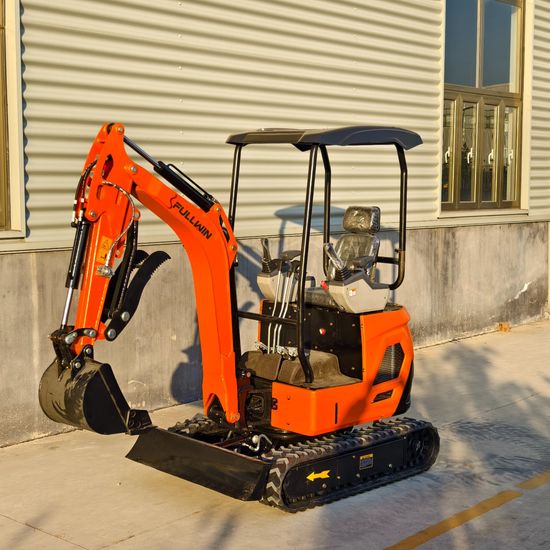
Machinery Excavator 4*4 Mini 8 Ton 4 Ton 6 Ton 15 Ton Wheel Digger Small Bagger Farm Excavator on Wheel
US$5,000.00-12,000.00
1 Piece(MOQ)
Satisfies 1 requirement
1.8 Ton Wheel Multipurpose Construction Machinery Small Digger Mini Crawler Excavator
US$4,500.00-7,500.00
1 Piece(MOQ)

Satisfies 1 requirement
Good Condition 1.5 Ton 2.5 Tonsmall Wheel Digger Machine CE EPA Euro5 Approved Cheap Excavator
US$2,150.00-2,400.00
1 Piece(MOQ)

Satisfies 1 requirement
Excavator Machine Earth-Moving Construction Building Digger Wheel Type Mobile Walking Digger
US$1,290.00-1,690.00
1 Piece(MOQ)

Satisfies 1 requirement
Chinese Factory Manufacturer Heavy Duty Digger Wheel Excavator Machine with Good Price
US$21,500.00-22,500.00
1 Piece(MOQ)

Satisfies 1 requirement
New Diesel Excavador Bagger CE EPA Engine 3.5 Ton High Quality Crawler Hydraulic Mini Micro Digger Euro5 Wheel Small Bagger Digging Machine Farm Mini Excavator
US$2,810.00-2,954.00
1 Piece(MOQ)

Satisfies 1 requirement
Crawler Excavator Bagger Wheel Excavadora Construction Hydraulic Crawler Small Digger China New Excavator Machine Excavator Hydraulic Crawler Mini Excavator
US$2,210.00-2,374.00
1 pieces(MOQ)

Satisfies 1 requirement
Shanding Free Shipping 9ton Mini Wheel Excavator Small Digger Wheeled Digging Machine Large Size Hydraulic Wheel Excavators Bagger
US$24,400.00-24,600.00
1 Piece(MOQ)

Satisfies 1 requirement
High Quality Used Original South Korea Hyundai 210W-7 Wheel Excavator Digger Second Hand Earth-Moving Work Machine for Sale
US$24,000.00-30,000.00
1 Piece(MOQ)

Satisfies 1 requirement
Hitachi/Japan/Zoomlions/Sunward Wheel Loader Mini Crawler Hydraulic Excavator Towable Tractor Backhoe Digger Machine Excavator Price for Sale
US$3,980.00-4,800.00
1 Piece(MOQ)

Satisfies 1 requirement
Crawler Excavator Bagger Wheel Excavadora Construction Hydraulic Crawler Small Digger China New Excavator Machine Excavator Hydraulic Crawler Mini Excavator
US$2,000.00-3,800.00
1 Piece(MOQ)

Satisfies 1 requirement
Ea775h Wheel Excavator and Backhoe Digger Used Excavator Machine New Construction Equipment for Sale China Manufacturer
US$29,197.00-32,117.00
1 Piece(MOQ)

Satisfies 1 requirement
Earthmoving Machinery 10ton Wheel Excavator Xe105wg Flexible Digger in Stock
US$28,000.00-32,000.00
1 Piece(MOQ)

Satisfies 1 requirement
New Strong Power Backhoe Digger Crawler Floating Amphibious Excavator Optimized for Wheel Loader Equipment Construction Machines Excavator Amphibious
US$10,000.00-100,000.00
1 Set(MOQ)

Satisfies 1 requirement
Client Selection Digger Wheel Excavator Construction Equipment Second Hand Machine with Factory Price
US$10,000.00-15,000.00
1 Piece(MOQ)
Sourcing guidance for Wheel Machine Digger Excavator
What are the key technical specifications to evaluate when choosing a wheel excavator?
When selecting a wheel excavator, prioritize the engine power (kW/HP) and operating weight to ensure it meets your project requirements. Key components like the main pump, valve, and motor should ideally come from reputable brands (e.g., Rexroth, Kawasaki) to ensure hydraulic stability. Additionally, check the maximum digging depth, reach, and bucket capacity. For urban projects, verify if the machine features a 360-degree swing and stabilizer legs (outriggers) or a dozer blade for enhanced operational balance.
Which compliance standards and certifications are mandatory for international procurement?
For the European market, the machine must have a CE certification and meet Stage V emission standards. For the North American market, EPA Tier 4 Final compliance is essential. Globally, ensure the manufacturer holds ISO 9001 for quality management and that the cabin meets ROPS (Roll-Over Protective Structure) and FOPS (Falling Object Protective Structure) safety standards to protect the operator.
How does the mobility of a wheel excavator impact its usage scenarios compared to crawler types?
Wheel excavators are designed for high mobility and versatility, making them ideal for urban construction, road maintenance, and landscaping where the machine needs to travel between sites on paved roads without damaging the surface. Unlike crawlers, they do not require a trailer for short-distance transport, significantly reducing logistics costs and time. However, they are best suited for firm, level ground rather than extremely soft or swampy terrain.
What maintenance factors should B2B buyers consider for long-term reliability?
Focus on the accessibility of filtration systems and lubrication points; centralized greasing systems are a major plus. Inquire about the availability of wear parts like bucket teeth, tires, and hydraulic seals. A reliable supplier should provide a detailed maintenance manual and a warranty period of at least 12 months or 2,000 working hours, whichever comes first.
Cross-Border Procurement Strategy for Heavy Machinery
How can I mitigate the risks of purchasing heavy machinery from overseas?
Utilize third-party inspection services (such as SGS or BV) to conduct a pre-shipment inspection, focusing on hydraulic pressure tests and engine performance. Always source through reputable platforms like Made-in-China.com, which offers secured payment services and verified supplier profiles to protect your capital. Request a video walk-around and operational demonstration of the specific unit being shipped.
What are the best practices for negotiating with heavy equipment suppliers?
Negotiate based on Total Cost of Ownership (TCO) rather than just the sticker price. Ask for a spare parts package (filters, belts, seals) to be included in the initial deal, which can save significant costs later. For bulk orders, aim for a 10-15% discount or request customized attachments (e.g., breakers, augers, quick hitches) at a subsidized rate.
What shipping methods are recommended for wheel excavators to ensure safety and cost-efficiency?
The most common methods are Roll-on/Roll-off (RoRo), which is safest for mobile machinery, or Flat Rack containers for oversized units. If the machine dimensions allow, 40HC container shipping (sometimes requiring partial disassembly of the arm or cabin) is often the most cost-effective method for long-distance ocean freight. Ensure the supplier uses anti-corrosion wax coating for sea transit.
How should I handle international trade policy and customs compliance?
Verify the HS Code (typically 842952) to determine import duties in your country. Be aware of anti-dumping duties that may apply to heavy machinery in certain regions. Ensure all documentation, including the Bill of Lading, Commercial Invoice, Packing List, and Certificate of Origin, is accurately prepared to avoid costly delays at customs.